
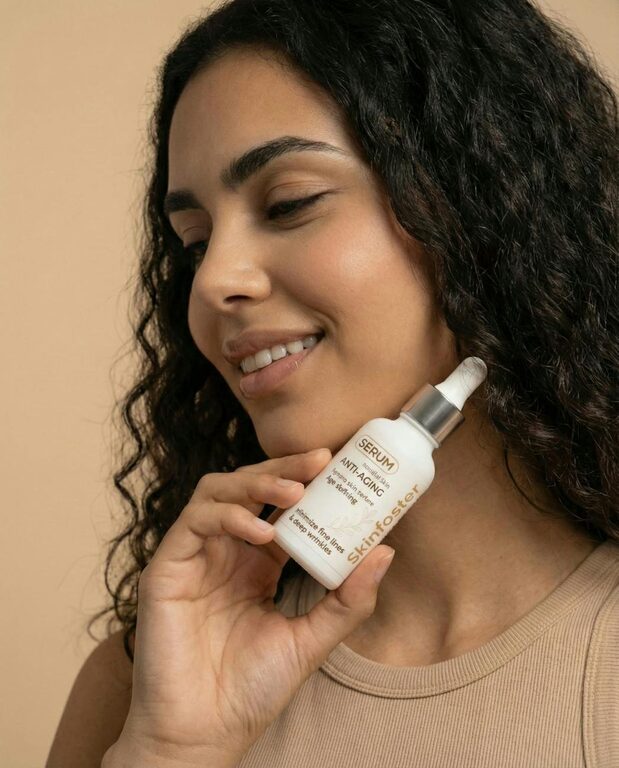
Starting a basic skincare routine might seem overwhelming with so many products and advice out there. However, a simple, consistent routine tailored to your skin type is the key to healthy, glowing skin. Whether you’re new to skincare or want to get back to basics, this guide will help you establish an easy and effective daily regimen.
Why a Basic Skincare Routine Matters
Your skin protects you from the environment and reflects your overall health. Taking care of it can:
– Cleanse away dirt and impurities
– Protect against damage from sun and pollution
– Prevent common issues like dryness, oiliness, or acne
– Keep your skin looking fresh and radiant over time
By focusing on a few core steps, you create a foundation for long-term skin health.
Step 1: Identify Your Skin Type
Before choosing products, it’s important to understand your skin type. This helps pick the right ingredients and avoid irritation.
The most common skin types are:
– Normal: Balanced, not too dry or oily
– Dry: Feels tight or flaky, often dull
– Oily: Shiny with enlarged pores, prone to acne
– Combination: Oily in some areas (usually T-zone) and dry in others
– Sensitive: Easily irritated or reactive
You can tell your skin type by observing how your skin feels a few hours after washing or by consulting a dermatologist.
Step 2: Essential Products for a Basic Routine
You only need a few products to start—quality over quantity matters here.
1. Cleanser
Cleansing removes dirt, oil, and makeup without stripping your skin. Use a gentle cleanser suited for your skin type.
– For dry skin: Cream or hydrating cleansers
– For oily skin: Gel or foaming cleansers
– For sensitive skin: Fragrance-free, mild formulas
Wash your face twice daily—morning and night.
2. Moisturizer
Moisturizers keep your skin hydrated and create a barrier to lock in moisture.
– Pick a lightweight, oil-free moisturizer for oily skin
– Choose richer creams for dry skin
– Look for soothing ingredients like aloe or chamomile for sensitive skin
Apply moisturizer right after cleansing while your skin is still damp.
3. Sunscreen
Sun protection prevents premature aging and skin damage. It’s a must-have in any skincare routine.
– Use broad-spectrum sunscreen with at least SPF 30
– Apply every morning, even on cloudy days
– Reapply every two hours if you spend a lot of time outdoors
Optional Product: Toner
Toners can help balance your skin’s pH and prepare it for moisturizer, but they’re not required. If you choose to use one, pick alcohol-free formulas designed for your skin type.
Step 3: How to Build Your Simple Daily Routine
Here’s a straightforward morning and evening skincare routine to get you started:
Morning Routine
- **Cleanse** your face with lukewarm water and a gentle cleanser.
- **Apply toner** if you use one.
- **Moisturize** to hydrate your skin.
- **Apply sunscreen** as the last step before makeup or going outside.
- **Cleanse** to remove the day’s dirt and impurities.
- **Apply toner** (optional).
- **Moisturize** before bed to nourish your skin overnight.
Evening Routine
Tips for Sticking to Your Routine
– Keep it simple: Start with just cleansing, moisturizing, and sunscreen.
– Consistency is key: The best results come from following your routine every day.
– Patch test new products: To avoid irritation, test on a small area before full use.
– Listen to your skin: Adjust products if you notice dryness, redness, or breakouts.
– Stay hydrated and eat well: Healthy skin starts from within.
When to Consider Adding More Steps
Once you are comfortable with the basics, you may want to introduce:
– Exfoliation: Use gentle exfoliants 1-2 times a week to remove dead skin cells.
– Serums: Target specific concerns like dullness or fine lines.
– Eye creams: Address dark circles or puffiness.
Always introduce new products gradually and observe how your skin responds.
Conclusion
Starting a basic skincare routine doesn’t require expensive products or complicated steps. By cleansing, moisturizing, and protecting your skin daily, you’ll build a healthy foundation for glowing, comfortable skin. Remember that patience and consistency matter the most—give your skin time to adapt and watch it improve over weeks and months.
Feel free to explore and adjust your routine as you learn what feels best for your unique skin. Here’s to loving the skin you’re in!